


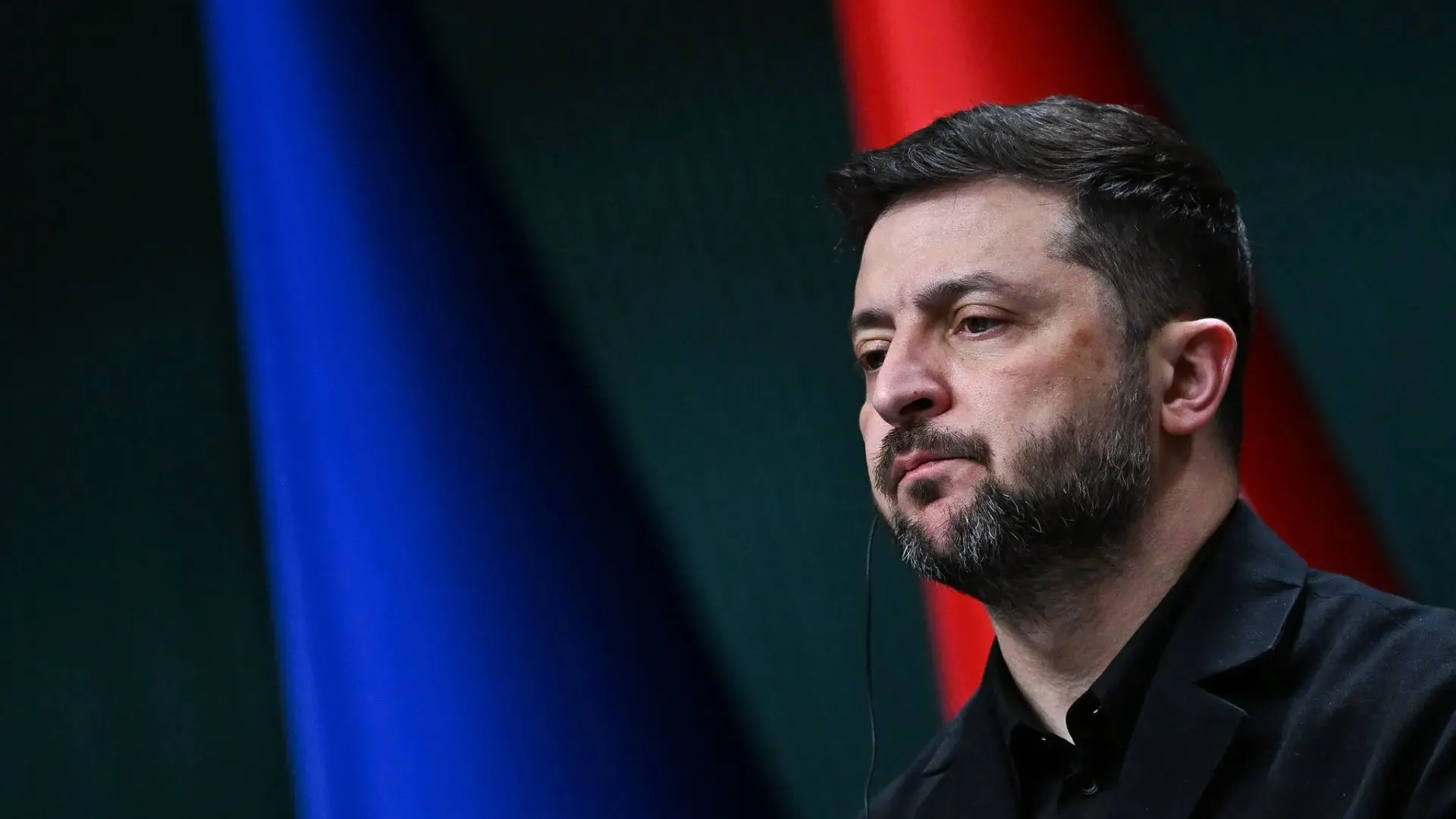
President Volodymyr Zelensky says Ukraine is facing one of the hardest moments in its history as a U.S. peace plan pushes Kyiv toward concessions favoring Russia. European leaders rally behind Ukraine as Zelensky vows not to betray his country.
Zelensky Warns Ukraine Faces Its “Most Difficult Moment” as U.S. Peace Plan Sparks Tension
Ukraine’s President Volodymyr Zelensky delivered one of his starkest warnings yet on Friday, describing the country as being at “one of the most difficult moments” in its modern history. His remarks came as details emerged of a 28-point peace proposal crafted by U.S. President Donald Trump — a plan that many world leaders, including Zelensky, believe would overwhelmingly favor Russia and potentially undermine Ukraine’s sovereignty.
The proposal, obtained and reviewed by CNN, calls on Ukraine to make sweeping concessions in exchange for a ceasefire. Among the most controversial points are demands for Kyiv to relinquish control of Russian-occupied territories, restrict the size of its armed forces, and commit to never joining NATO. These positions mirror long-standing Kremlin demands and echo Russia’s maximalist negotiating stance from early 2022, when peace talks briefly took place in Istanbul shortly after Moscow launched its full-scale invasion.
Broncos’ Jahdae Barron Calls Out Taylor Swift After Win Over Chiefs as Swifties Fire Back Online
“A Very Difficult Choice”
In his nightly video address, Zelensky acknowledged the intense pressure Ukraine is facing from multiple fronts — militarily, politically, and diplomatically. The president emphasized that the country may soon confront an impossible decision.
“Ukraine may now face a very difficult choice: either the loss of dignity, or the risk of losing a key partner, or 28 difficult points, or an extremely harsh winter,” Zelensky said. He made clear that while Kyiv remains committed to pursuing peace, it cannot do so at the cost of its sovereignty or national identity.
“The pressure on Ukraine is now at its most intense,” he said. Nonetheless, he vowed that his government would “work calmly” and “quickly” with the United States and other allies to evaluate the proposal and find a path forward.
European Leaders Rally Around Kyiv
The release of Trump’s draft plan sparked swift reactions across Europe, with key leaders reaffirming their support for Ukraine’s independence and territorial integrity. In a joint call with Zelensky, German Chancellor Friedrich Merz, French President Emmanuel Macron, and British Prime Minister Keir Starmer expressed unity in rejecting any deal that sidelines Ukraine’s input.
The three leaders “agreed to continue to pursue the goal of safeguarding vital European and Ukrainian interests in the long term,” according to a statement from the German government’s press office. The statement also underscored that any peace agreement must begin with the current line of contact and ensure that Ukrainian forces remain capable of defending their sovereignty.
Zelensky praised his European partners for their solidarity, saying he was relying on his “European friends” to help navigate the uncertainty and diplomatic pressure created by the proposed U.S. plan.
A Plan Favoring Moscow?
Many analysts and Ukrainian officials argue that Trump’s proposal appears to grant Russia much of what it has demanded since the earliest days of the war. The draft includes several provisions Kyiv has consistently described as unacceptable.
Most notably, the plan suggests that Crimea, Luhansk, and Donetsk be recognized “as de facto Russian, including by the United States.” Such recognition has long been considered a red line for Ukraine, which maintains that all territories seized by Russia — including Crimea in 2014 — are integral parts of its sovereign state.
The plan also calls for Ukraine to withdraw its forces from sections of eastern Donetsk that remain under Kyiv’s control, turning those areas into a demilitarized buffer zone “internationally recognized as territory belonging to the Russian Federation.” This demand would force Ukraine to relinquish land it has successfully defended since the invasion began, essentially legitimizing Russia’s claims.
Additionally, the proposal suggests capping the size of Ukraine’s military and requiring a pledge not to join NATO — both long-term objectives of Moscow aimed at diminishing Ukraine’s defense capabilities and strategic alliances.
Mirroring the Gaza Ceasefire Formula
Sources familiar with the document noted that the structure and tone of the Ukraine plan resemble the Trump administration’s proposal used to broker the ceasefire in Gaza. Like that plan, the Ukraine draft is laid out as a bullet-point list, detailing commitments expected from both sides and placing the responsibility for oversight on a board led by the U.S. President.
The aim, according to a U.S. official who confirmed the document’s authenticity, is to establish a roadmap for ending the conflict while ensuring international accountability. However, critics argue that the concessions listed skew heavily toward Russia’s interests and undermine longstanding Western policy positions on Ukraine.
“I Will Not Betray Ukraine”
Despite the sharp criticism of the plan inside Ukraine, Zelensky maintained that he would not allow the country to be portrayed as resistant to peace. He stressed that he would continue discussions and seek modifications or alternatives that protect Ukraine’s sovereignty.
“I will present arguments, I will persuade, I will offer alternatives,” Zelensky said. “But we will definitely not give the enemy any reason to say that Ukraine does not want peace, that it is disrupting the process, and that Ukraine is not ready for diplomacy.”
Zelensky also vowed not to betray his nation under any circumstances. “I will not betray Ukraine,” he declared, reinforcing his commitment to defending the country’s territorial integrity and democratic future.
A Winter of Uncertainty
As Ukraine braces for another harsh winter and continued assaults on its energy infrastructure, the stakes surrounding any diplomatic proposal are high. Ukrainians remain wary of international pressure that could force them into agreeing to territorial concessions or weakened defenses.
For now, Zelensky and his government are preparing for intense negotiations — and possibly the most consequential diplomatic battle of the war.