


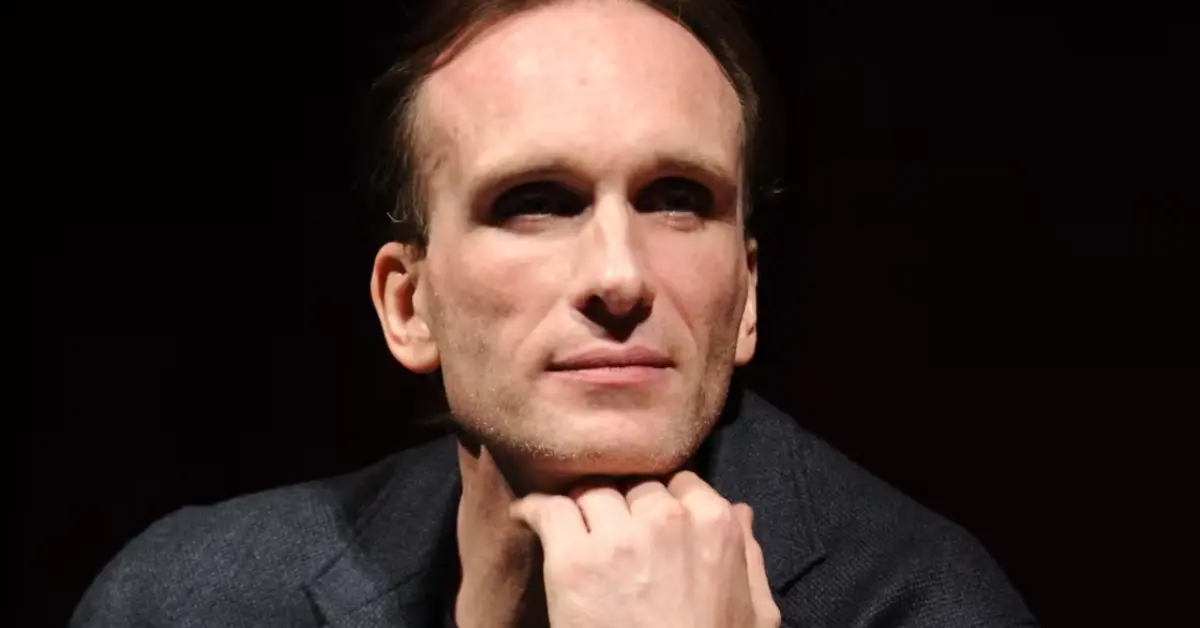
Peter Greene, known for iconic villain roles in Pulp Fiction, The Mask, Training Day, and The Usual Suspects, has died at 60. Read about his life and legacy.
Peter Greene, the character actor best known for portraying unsettling villains and morally complex criminals in some of Hollywood’s most iconic films of the 1990s, has died at the age of 60. Greene was found dead Friday inside his Lower East Side apartment in New York City, according to his longtime manager Gregg Edwards. A cause of death has not yet been disclosed.
News of Greene’s passing was first reported by the New York Daily News. Edwards confirmed that a wellness check was conducted after music was reportedly heard playing in Greene’s apartment for more than 24 hours. Authorities later discovered the actor inside. Edwards said he had spoken with Greene earlier in the week and expressed shock at the sudden loss.
Though often cast as violent or intimidating figures, those who knew Greene say his real-life personality stood in stark contrast to the characters he portrayed.
“Nobody played a bad guy better than Peter,” Edwards said in a phone interview. “But he also had a gentle side that most people never saw, and a heart as big as gold.”
Read also… Brenda Lee Turns 81: The Timeless Legacy of “Rockin’ Around the Christmas Tree”
A Face of 1990s Crime Cinema
Peter Greene carved out a memorable niche during the golden era of gritty crime films in the 1990s. His most infamous role came in Quentin Tarantino’s 1994 cult classic Pulp Fiction, where he played Zed, the sadistic security guard whose violent actions made him one of the film’s most disturbing antagonists. Despite limited screen time, Greene’s performance left a lasting impression on audiences and cemented his reputation as a fearless character actor.
That same year, Greene appeared as Dorian Tyrell, the primary villain in Jim Carrey’s blockbuster comedy The Mask. As the ruthless gangster who transforms into a supernatural criminal mastermind, Greene balanced menace with style, helping elevate the film beyond slapstick comedy into something darker and more memorable.
These two roles alone secured Greene a permanent place in pop culture, but his career extended far beyond them.
A Critically Acclaimed Lead Performance
While Greene is often remembered for his supporting roles, one of his most powerful performances came in the 1993 independent film Clean, Shaven. In the movie, Greene starred as a man suffering from schizophrenia who becomes a suspect in a murder case. The role demanded emotional vulnerability, physical intensity, and psychological depth—qualities Greene delivered with haunting authenticity.
A New York Times review at the time praised his work, describing the character as “compellingly anguished” and volatile, noting that Greene commanded attention even without relying on shocking visuals. The performance earned him critical acclaim and demonstrated his range as an actor capable of far more than villain roles.
Memorable Supporting Roles in Iconic Films
Greene went on to appear in several landmark crime dramas, including The Usual Suspects and Training Day. In The Usual Suspects (1995), he played Redfoot, a fence who provides the criminal crew with information that leads to a disastrous jewel heist. Though the role was brief, Greene’s presence added texture to the film’s shadowy underworld.
In Training Day (2001), Greene portrayed Jeff, a detective caught up in the corruption of Denzel Washington’s Alonzo Harris. One of Greene’s most memorable lines—“Kiss me, baby”—comes just before his character agrees to be shot while wearing a bullet-resistant vest as part of a staged cover-up. The scene remains one of the film’s most chilling moments, underscoring Greene’s talent for making even small roles unforgettable.
A New York Actor at Heart
Born on October 8, 1965, in Montclair, New Jersey, Peter Greene began his acting career in his 20s after moving to New York City. According to his IMDb biography, he trained and worked extensively in theater and film, gradually building a reputation for authenticity and intensity.
Greene’s rugged look and raw emotional style made him a natural fit for roles involving inner turmoil, moral ambiguity, and violence. While Hollywood often typecast him as a criminal or antagonist, colleagues and fans alike recognized his depth and commitment to his craft.
Remembered Beyond the Screen
Despite the dark nature of many of his roles, those close to Greene emphasize that he was far from the characters he portrayed. Friends and collaborators remember him as thoughtful, kind, and deeply passionate about acting.
His manager’s words reflect a sentiment shared by many in the industry: Peter Greene brought humanity even to the most disturbing characters, giving them layers that made them feel real rather than caricatured.
A Lasting Legacy
Peter Greene may never have been a traditional leading man, but his impact on American cinema—particularly in the crime and thriller genres—is undeniable. His performances helped define an era of filmmaking that valued realism, moral complexity, and unforgettable characters.
As fans revisit films like Pulp Fiction, The Mask, The Usual Suspects, and Training Day, Greene’s work will continue to resonate. He leaves behind a body of work that proves character actors are often the backbone of great movies.
Peter Greene’s death marks the loss of a uniquely intense and talented performer—one whose presence on screen was impossible to ignore and whose legacy will endure long after the final scene fades to black.