


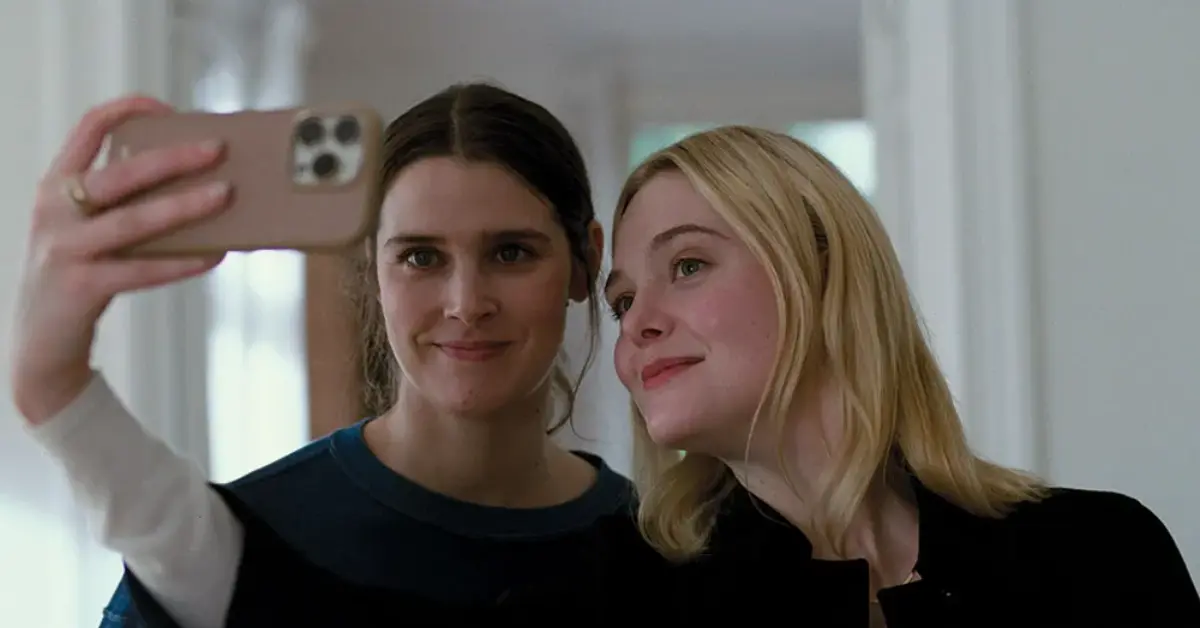
The 2026 Golden Globe nominations mark a major shift, celebrating global cinema, art-house films, and surprising snubs of major Hollywood stars. A new era begins.
Golden Globe Awards 2026: A Global, Art-House, and Surprisingly Un-Celebrity-Driven Shift
The nominations for the 2026 Golden Globe Awards have officially been announced, and the lineup reveals a dramatic shift in the identity of the Globes. For decades, the Golden Globes were known as the flashy, celebrity-centered, Hollywood-favoring awards show voted on by the now-dissolved Hollywood Foreign Press Association (HFPA). But this year’s nominees prove that the restructured organization behind the Globes is operating with a very different set of priorities.
Three major themes emerged from this year’s announcement: a truly global perspective, a heavy embrace of art-house cinema, and a noticeable decline in the traditional “star factor” that once guided so much of the HFPA’s decision-making. Together, these themes highlight how much the show has evolved in just a few short years.
1. A Truly Global Golden Globes
This year’s nominations reflect an international sensibility unlike anything the Globes have ever displayed. Non-English-language films didn’t just appear—they dominated.
Out of the six Best Picture (Drama) nominations, half were non-English-language titles:
- It Was Just an Accident
- The Secret Agent
- Sentimental Value
In the Best Picture (Musical/Comedy) category, two more international films made the cut:
- No Other Choice
- Nouvelle Vague
And remarkably, in the Best Animated Feature race, three of the nominees were globally produced films:
- Arco
- Demon Slayer: Kimetsu No Yaiba — Infinity Castle
- Little Amélie or the Character of Rain
This represents a historic shift. Before the HFPA’s dissolution, the group consisted of around 100 members based primarily in Los Angeles, journalists who covered Hollywood for foreign outlets. While they were “foreign press,” their tastes often centered on American cinema and American stars.
But today’s Globes are decided by hundreds of new international members—film writers, critics, and professionals from all around the world—as well as voters from FIPRESCI, an international critics’ federation. The result is unmistakable: a broader, more culturally diverse lineup that reflects cinema on a global scale, not just within Hollywood.
Even in top creative categories like Best Director and Best Screenplay, international filmmakers stood strong. Jafar Panahi (It Was Just an Accident) and Joachim Trier (Sentimental Value) were nominated in both categories. Acting categories also showcased talent from around the world, including Wagner Moura, Lee Byung-Hun, Renate Reinsve, Elle Fanning, and Inga Ibsdotter Lilleaas.
This year marks the largest presence of non-English-language films in major Golden Globe categories—an undeniable new milestone.
2. A Major Lean Toward Art-House Cinema Over Blockbusters
Another striking trend: despite Hollywood releasing multiple blockbuster awards contenders in 2025, very few mainstream films broke into the major Best Picture categories.
Huge studio projects—Wicked: For Good, Avatar: Fire and Ash, F1: The Movie, and Weapons—all missed out on Best Picture nominations. Instead, they landed in the cinematic/box office achievement category, an area designed to acknowledge commercial success rather than artistic acclaim.
Even with strong performances and major studio backing, these films couldn’t break into the top races. Voters did, however, recognize standout elements, nominating:
- Cynthia Erivo and Ariana Grande (Wicked: For Good)
- Amy Madigan (Weapons)
- Hans Zimmer (F1)
- Miley Cyrus (Avatar: Fire and Ash)
However, awards momentum clearly leaned toward smaller, critically acclaimed films like Blue Moon, Nouvelle Vague, and the heavily nominated One Battle After Another, which earned nine nominations—tying historical highs set by Barbie and Cabaret.
This shift is also obvious when looking at distributor nominations. Neon topped the list with 21 nominations, including five of the six Best Foreign Language Film nominees—more than any major studio. Meanwhile, indie distributors like GKIDS and WILLA earned as many nominations as Paramount.
The message? Art-house films have officially overtaken studio blockbusters in the eyes of Golden Globe voters.
3. A Dramatic Drop in “Star-Driven” Nominations
Historically, being a major Hollywood star almost guaranteed a Golden Globe nomination—especially if the HFPA liked you. But that era appears to be over.
This year, several high-profile celebrities with legitimate award season buzz were completely shut out, including:
- Sydney Sweeney
- Brad Pitt
- Jennifer Lopez
- Channing Tatum
- Gwyneth Paltrow
- Jeremy Strong
- Ed Sheeran
- Shakira
- Tate McRae
These stars were bypassed in favor of less Hollywood-famous, but critically admired performers such as:
- Joel Edgerton (Train Dreams)
- Eva Victor (Sorry, Baby)
- Ethan Hawke (Blue Moon)
- Inga Ibsdotter Lilleaas (Sentimental Value)
This signals a major cultural shift: the Globes are rewarding performances, not star power.
Still, big names weren’t entirely absent. Leonardo DiCaprio, Sean Penn, Michael B. Jordan, Emma Stone, Julia Roberts, Jennifer Lawrence, George Clooney, Kate Hudson, and Dwayne Johnson all secured nominations—though many of their nods were far less guaranteed in previous years.
A New Identity for the Golden Globes
The 2026 Golden Globe nominations make one thing clear: the awards show is no longer defined by Hollywood celebrity culture or studio influence. It has become truly international, genuinely artistic, and far more merit-driven.
Whether audiences embrace this evolution remains to be seen—but one thing is undeniable. The Golden Globes have entered a bold new era, and the 2026 nominations are the strongest evidence yet.